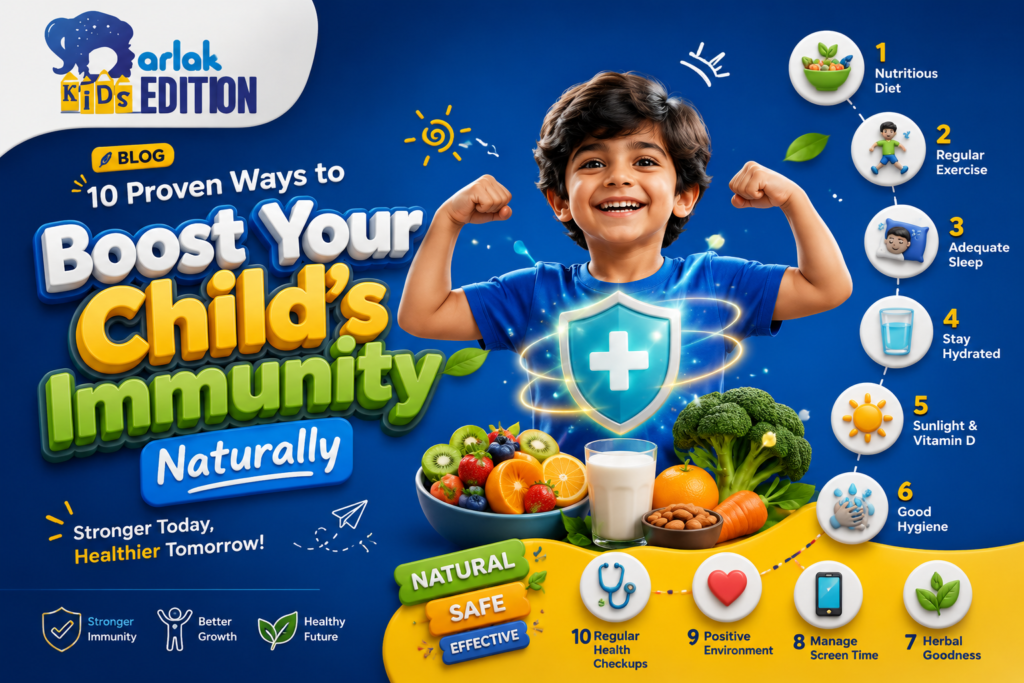
Every parent has had that moment of standing over a plate of half-eaten broccoli, wondering if their kid is actually getting what they need to grow. It’s a fair worry. Vitamin deficiency in children is way more common than people assume, and here’s the annoying part: it usually doesn’t announce itself. There’s no big dramatic sign that says “hey, something’s missing here.” It creeps in slowly, through tiredness that gets brushed off as a growth spurt, or a cold that just won’t quit.So let’s actually talk about it. What does nutrition deficiency in children look like in real life, what’s usually behind it, and what can you actually do about it without turning dinner into a battlefield?
It’s Not Always Obvious
Here’s the thing that catches a lot of parents off guard: a child can look perfectly fine on the outside and still be running low on something important. They’re playing, they’re laughing, they seem okay. But child vitamin deficiency doesn’t always show up as an emergency. Sometimes it’s just… subtle. A bit more cranky than usual. A little more tired after school. Maybe getting sick more often than the other kids in their class. That’s why it helps to actually know the signs of vitamin deficiency instead of waiting for something obvious to happen.

What to Actually Watch For
There isn’t one single symptom that covers every vitamin deficiency because each vitamin plays a different role in your child’s body. However, some warning signs appear more often than others. Knowing these early symptoms can help parents take action before a deficiency becomes more serious.
Tiredness is one of the most common signs. This isn’t the usual “stayed up too late” kind of tiredness. Instead, a child who normally has plenty of energy may suddenly seem exhausted by the afternoon. Low iron or vitamin B12 deficiency is often linked to this type of fatigue.
Pale skin is another sign that parents sometimes overlook. If your child’s face looks unusually pale or the inside of their lower eyelids appears lighter than normal, it could be a sign of anaemia. A medical evaluation can help determine the cause.
Frequent illnesses may also point to a vitamin deficiency. If your child catches almost every cold or infection going around school or daycare, low levels of vitamin C or vitamin D may be affecting their immune system.
Slow-healing cuts, dry skin, brittle hair, or peeling nails are quieter symptoms that are easy to dismiss. However, these changes can indicate that the body isn’t getting enough essential nutrients. Bone or joint discomfort is another important symptom and is often associated with vitamin D deficiency.
Vitamin D Deficiency Deserves Special Attention
Out of everything, symptoms of vitamin D deficiency in children are probably the ones parents miss the most, mostly because kids just don’t go outside as much as they used to. Between screens, structured after-school activities, and general busy-schedule life, a lot of children get way less sunlight than their parents did growing up. Watch for leg pain, especially the kind that shows up without any obvious injury. Some kids develop legs that bow slightly, or take longer than expected to start walking confidently. Muscle weakness, unexplained crankiness, trouble sleeping — these can all connect back to low vitamin D. It’s sneaky because it’s not tied to what your child eats alone. Sunlight matters just as much as food here.
So How Do You Actually Prevent This?
The good news is that preventing vitamin deficiencies doesn’t require perfection. You don’t need a colour-coded meal plan or expensive health foods. Small, consistent habits can make a big difference in supporting your child’s growth and overall health.
Start with variety rather than volume. A full plate doesn’t always mean a nutritious one. Offer a mix of colourful fruits, vegetables, whole grains, dairy, and protein-rich foods, as different colours often provide different essential vitamins and minerals.
Encourage outdoor play. Spending 15–20 minutes outside on most days helps the body produce vitamin D naturally through sunlight. A simple walk in the park or playing outdoors after school can support healthy bones and immunity.
Choose healthier snacks. Replace processed snacks like chips with fresh fruit, yoghurt, nuts (if age-appropriate), or homemade snacks. These small changes add up over time and improve your child’s daily nutrient intake.
Get children involved in cooking. Kids who help wash vegetables, stir ingredients, or arrange meals are often more interested in eating what they’ve prepared. Making cooking fun can also encourage healthier eating habits.
Don’t worry too much about picky eating. Many children go through phases of refusing certain foods. Focus on providing balanced meals throughout the week rather than expecting every meal to be perfect. Consistency matters far more than perfection.
Best Foods for Filling the Gaps
Instead of chasing trendy “superfoods,” focus on stuff you probably already have in the kitchen:
Eggs cover vitamin D, B12, and choline. Leafy greens like spinach bring iron and folate. Citrus and berries handle vitamin C. Dairy or fortified plant milk deliver calcium and vitamin D together. Nuts and seeds bring zinc and healthy fats. Fish like salmon offers vitamin D and omega-3s. Whole grains supply B vitamins. Sweet potatoes and carrots take care of vitamin A.None of it needs to be fancy. Scrambled eggs on toast. A smoothie with spinach blended in so it’s basically invisible. Berries tossed into breakfast. That’s genuinely enough of a foundation for essential vitamins for child growth.

What About Supplements?
A healthy diet for kids should always come first, full stop. But there are real situations where vitamin supplements for children make sense — picky eaters, restricted diets, or an actual diagnosed deficiency. That said, more isn’t automatically better, especially with fat-soluble vitamins like A and D, which can build up in the body over time. Talk to a pediatrician before starting anything regularly rather than guessing based on what worked for someone else’s kid.
The Bottom Line
Child nutrition isn’t about chasing perfection. It’s about paying attention, noticing patterns, and making small adjustments before minor gaps turn into bigger problems. If something feels off — constant fatigue, unusual paleness, bones that ache more than they should — it’s worth a conversation with a doctor instead of just waiting to see if it passes. Getting the basics of vitamins for growing children right isn’t complicated once you know what to look for, and a little consistency really does go further than most parents expect.