Anyone who has spent time in the pharma trade knows this much — medicine for kids is a different ballgame altogether. You’re not just selling a product here. You’re handling something that goes directly into a child’s body, often at a stage when their organs are still developing and their tolerance for error is next to nothing. So if you’re a distributor, a PCD franchise partner, or a healthcare brand trying to find the right pediatric medicine manufacturer in India, this decision deserves more thought than most.
India today ships pediatric formulations to clinics, hospitals, and pharmacies across the country and beyond. That also means the market is crowded. Everyone claims to be GMP-certified. Everyone promises their quality is top notch. Honestly, after a point, all the websites start to sound the same. So how do you actually tell a genuine pediatric pharmaceutical manufacturer apart from someone who’s just good at marketing? Here’s what actually matters.
Why the Stakes Are Higher With Kids’ Medicine
A child’s organ system isn’t a smaller version of an adult’s — it works differently. Livers and kidneys are still maturing. Weight varies wildly between kids of the same age. Even a slightly off dosage in a syrup or suspension can cause real problems. That’s exactly why pediatric formulations demand tighter control at every stage of manufacturing, from raw material sourcing to the final seal on the bottle.
Keep that in mind, because it changes what you should be asking a manufacturer before you sign anything.
Start With the Paperwork
This thing isn’t optional. A manufacturer worth working with should be able to show you WHO-GMP certification, ISO certification, Schedule M compliance, and a valid drug manufacturing license from their state FDA. Don’t just nod along when they mention these. Ask to see the actual documents. A company that’s confident in its own standards won’t dodge this request. In real, they’ll usually hand it over before you even ask twice.
Walk Through Their Setup, Even If Only on a Call
Pediatric syrups and liquid formulations have more contamination risks than tablets, so the manufacturing environment matters a lot. Is their facility properly climate-controlled? Do they run their own in-house QC lab? What’s their water treatment process like for liquids? If you get vague, roundabout answers to these questions, take that as your cue to keep looking.
Check If Pediatric Products Are Actually Their Focus
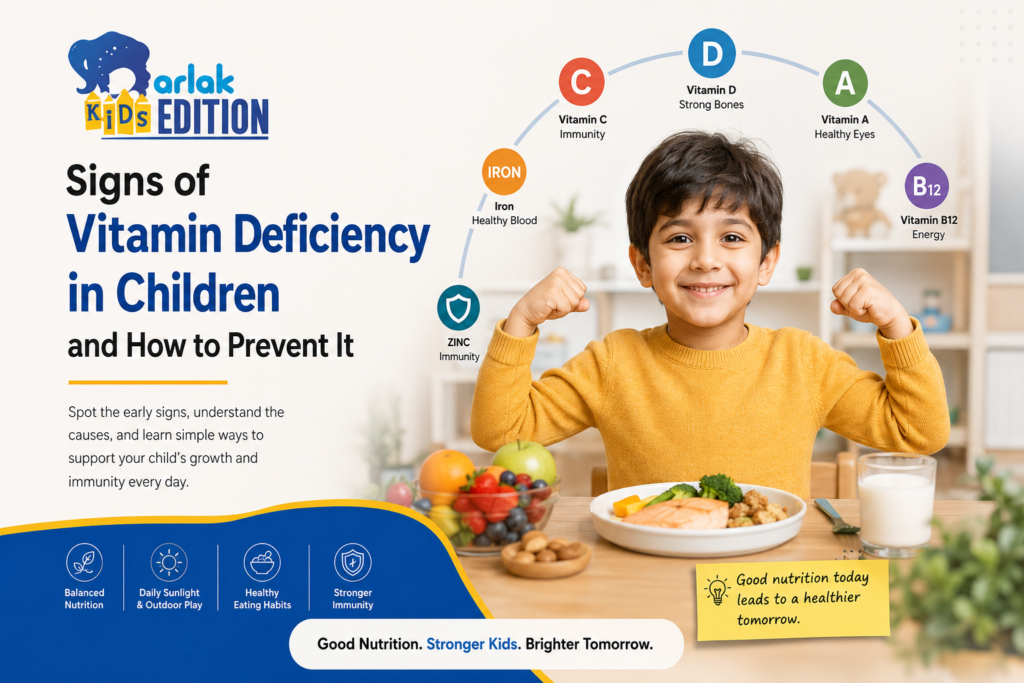
There’s a real difference between a company that manufactures a handful of kids’ syrups as a side item and one that has built its whole product line around pediatric care. A pediatric pharma company like Arlak Kids Editions, for instance, has built its identity specifically around children’s formulations. Think antibiotic syrups, cough and cold syrups, multivitamin drops, probiotics, and fever or pain relief formulations made specifically with child-safe dosing in mind. That kind of specialization usually reflects deeper expertise, not just a wider catalogue.
Ask for Test Reports, Not Just Promises
Don’t settle for “our quality is excellent” as an answer. Ask whether raw materials and finished batches go through independent third-party lab testing. Request Certificates of Analysis for whatever batch you’re ordering. This one habit alone will filter out a lot of manufacturers who talk a big game but can’t back it up on paper.
Look at How Long They’ve Been Doing This
There’s something to be said for a manufacturer that’s been in the pediatric space for over a decade and has a genuine base of PCD franchise partners and distributors across India. Ask for references. Look up reviews. Check whether they’ve ever faced recalls or regulatory action. A long, clean track record tends to say more than any sales pitch.
Don’t Ignore the Packaging
It sounds minor, but packaging tells you a lot. Child-resistant caps, clearly printed dosage instructions, tamper-evident seals, and properly stamped batch numbers and expiry dates — these aren’t just regulatory checkboxes. They’re a reflection of how seriously the company takes the end user. If the packaging feels careless, chances are the manufacturing process isn’t much better.
Notice How They Communicate
This one’s simple, but it tells you a lot. Do they answer your questions clearly, or do they dodge and give you the runaround? Are they upfront about pricing, minimum order quantities, and delivery schedules? Companies that stay transparent from day one tend to stay that way when problems eventually come up. And in this business, something always comes up eventually.
Export Approvals Are a Nice Bonus
If a manufacturer’s pediatric formulations have approval for export to regulated markets in Africa, Southeast Asia, or the CIS region, that’s usually a decent indicator that they meet stricter quality benchmarks than the bare minimum. It’s not a dealbreaker if they don’t, but it’s worth noting if they do.
If You Can, Just Go See the Facility
There’s only so much a website or a phone call can tell you. If you’re considering a serious, long-term partnership, try to actually visit the manufacturing unit. Seeing the shop floor, the storage rooms, and the QC setup with your own eyes will tell you more in twenty minutes than a month of email exchanges.
Bringing It All Together
Picking a pediatric medicine manufacturer isn’t something to rush through for the sake of a slightly better quote. These products are meant for the most vulnerable patients out there. The room for error is basically zero. Take your time. Ask the uncomfortable questions. Verify the paperwork. Pay attention to how a manufacturer actually behaves — not just what they promise.
A manufacturer that’s transparent, well-certified, genuinely experienced, and dedicated to pediatric care — the kind of approach you’ll find with Arlak Kids Editions, a trusted pediatric pharmaceutical manufacturer and pediatric pharma company based in India — protects more than just your business reputation. It protects the children who eventually take that medicine. And that’s a trade-off no distributor should be willing to make for a cheaper price tag.